Senapt

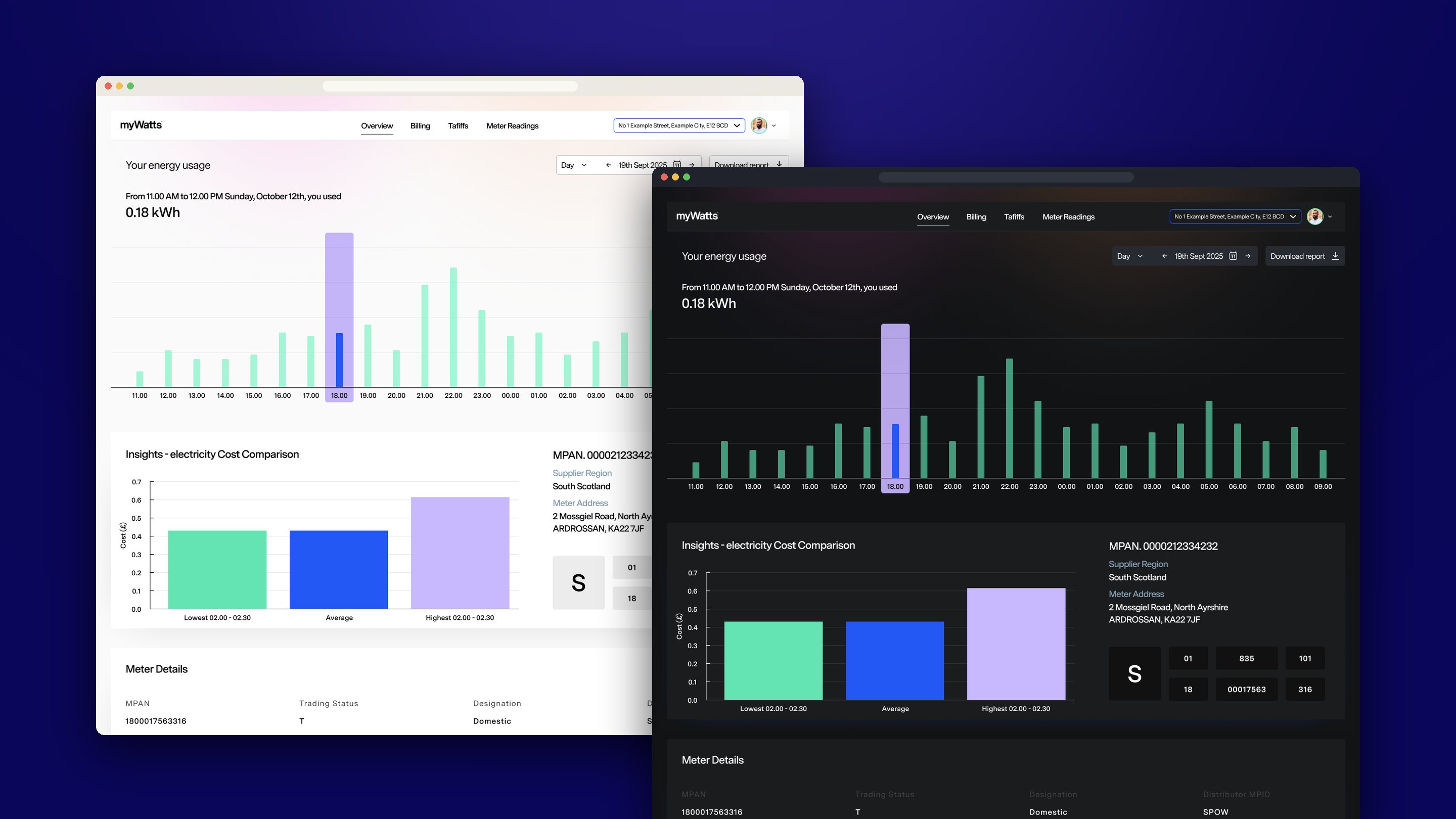
The myWatts customer app in light and dark mode
Project
Senapt
Role
Lead UI Designer
Location
London, Basingstoke, Zurich
Focus
Energy · Enterprise Platform
Timeline
2024 — 2026

Energy as a Service, made legible

Senapt delivers Energy-as-a-Service solutions that help organizations monitor, optimize, and manage distributed energy assets through connected infrastructure, real-time data, and intelligent software. The platform supports complex operational environments where clarity, reliability, and performance are critical.

As Lead UI / Product Designer, I play a central role in shaping both internal operator systems and customer-facing applications — spanning the full product lifecycle from early discovery and concept definition through interaction design, visual systems, prototyping, and production handover.

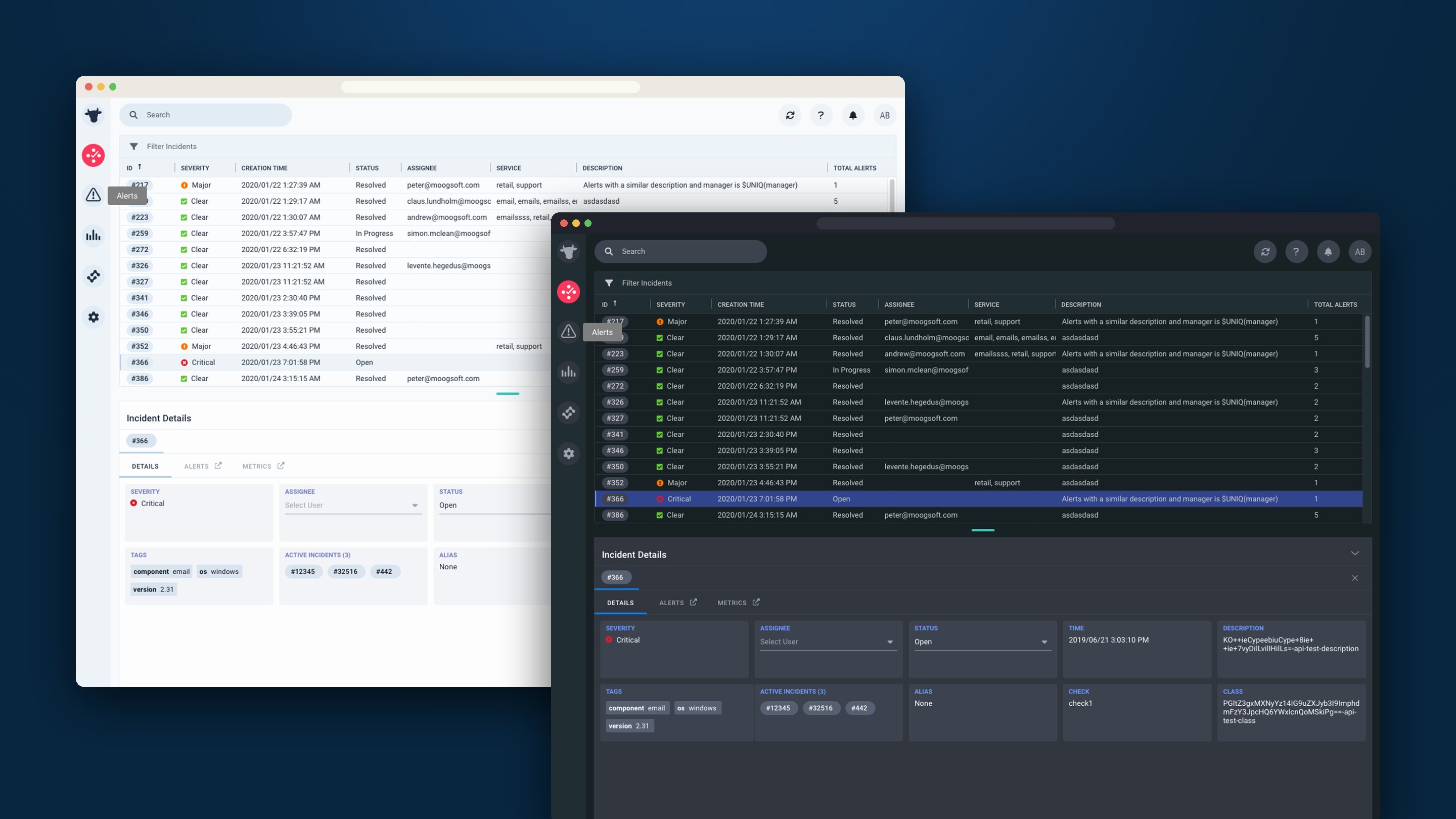
My work sits at the intersection of energy infrastructure and enterprise software. I translate technically dense data streams — live asset telemetry, consumption metrics, alerts, and performance diagnostics — into structured, intuitive interfaces that support operational decision-making.
Platform architecture & system thinking

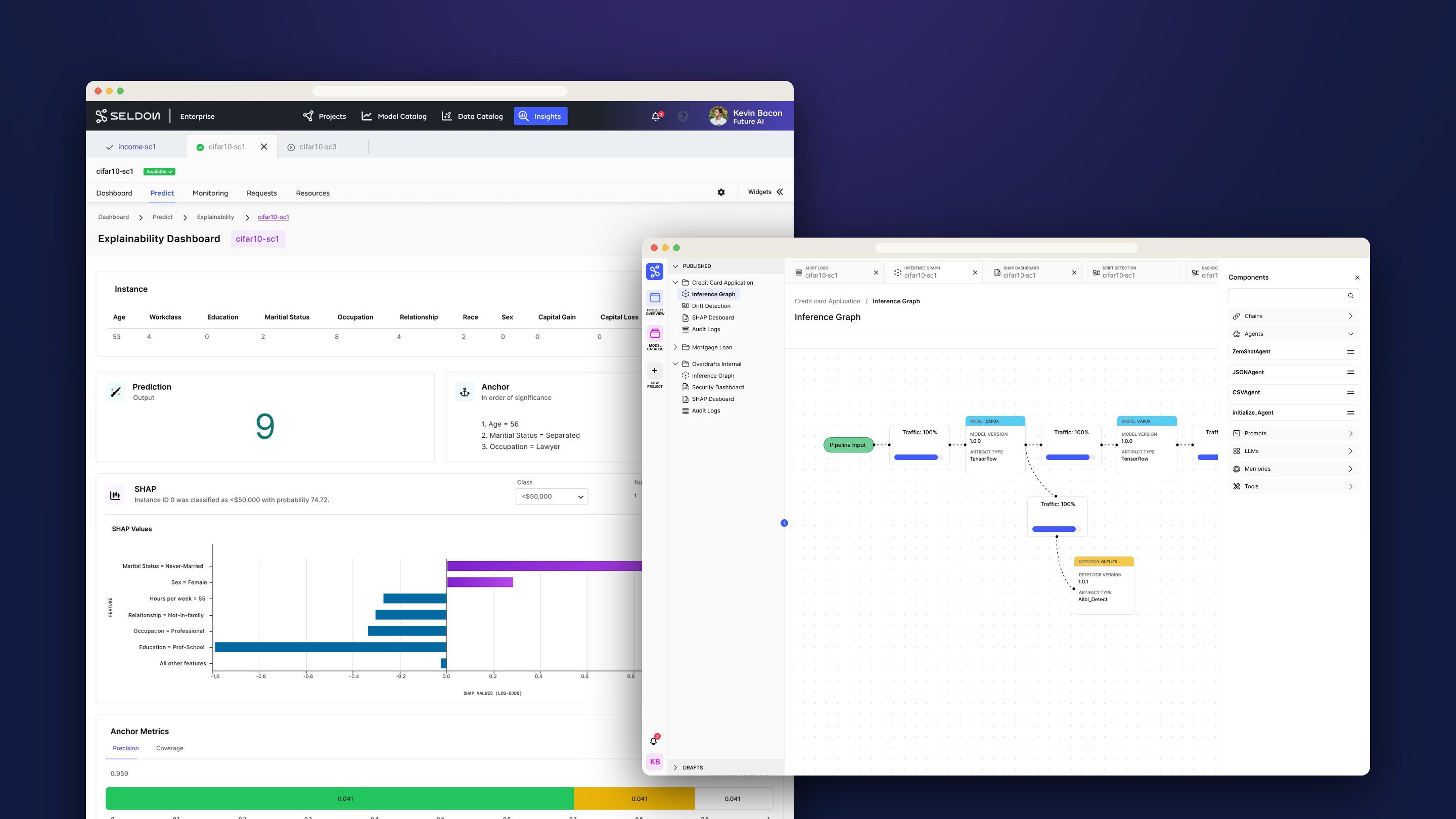
I refined information architecture across modules, clarified navigation structures, and redesigned onboarding flows so new users — from commercial teams to operational engineers — could confidently understand and use the system.

To support long-term scalability, I built a structured design system and component library aligned with engineering implementation standards: consistent interaction patterns, reusable UI components, defined spacing and typography rules, and clear states for real-time data conditions such as alerts, warnings, and asset statuses.

Operational dashboards & energy intelligence

I led the redesign of key energy intelligence dashboards used to monitor performance across solar, storage, and grid-connected assets. Through careful layout structuring, typography refinement, color semantics, and progressive disclosure, the dashboards evolved from dense reporting views into actionable operational tools.

  • Clarify visual hierarchy in data-dense environments
  • Improve real-time status visibility
  • Structure alerts and notifications more effectively
  • Support faster interpretation of performance deviations

Related projects